
Contested Cases That Require Courtroom Advocacy
Trial Representation in Charleston for criminal, family, and personal injury disputes proceeding to litigation
Thorough preparation, evidence review, and persuasive courtroom advocacy determine outcomes when legal disputes proceed to trial in West Virginia courts. Not every case resolves through negotiation, and some matters require presenting evidence to a judge or jury who will decide disputed facts and apply the law to those findings. John J. Balenovich Law Offices, LC provides trial representation in Charleston and throughout Kanawha and surrounding Counties, with experience trying more than 150 cases across the state in criminal, family, and personal injury matters that demand aggressive legal strategies tailored to the unique facts involved.
Trial representation involves pretrial motion practice, jury selection, opening statements, witness examination and cross-examination, presentation of physical evidence, and closing arguments that synthesize testimony and evidence into a persuasive narrative. Each stage requires decisions about which witnesses to call, what evidence to introduce, and how to respond to the opposing party's case as it unfolds. Representation in both jury trials and contested court hearings means adapting strategy to the decision-maker, whether that involves persuading twelve jurors or presenting legal arguments to a judge deciding a bench trial.
Retain experienced trial counsel to evaluate your case and begin preparing for courtroom litigation if settlement negotiations have not produced acceptable results.
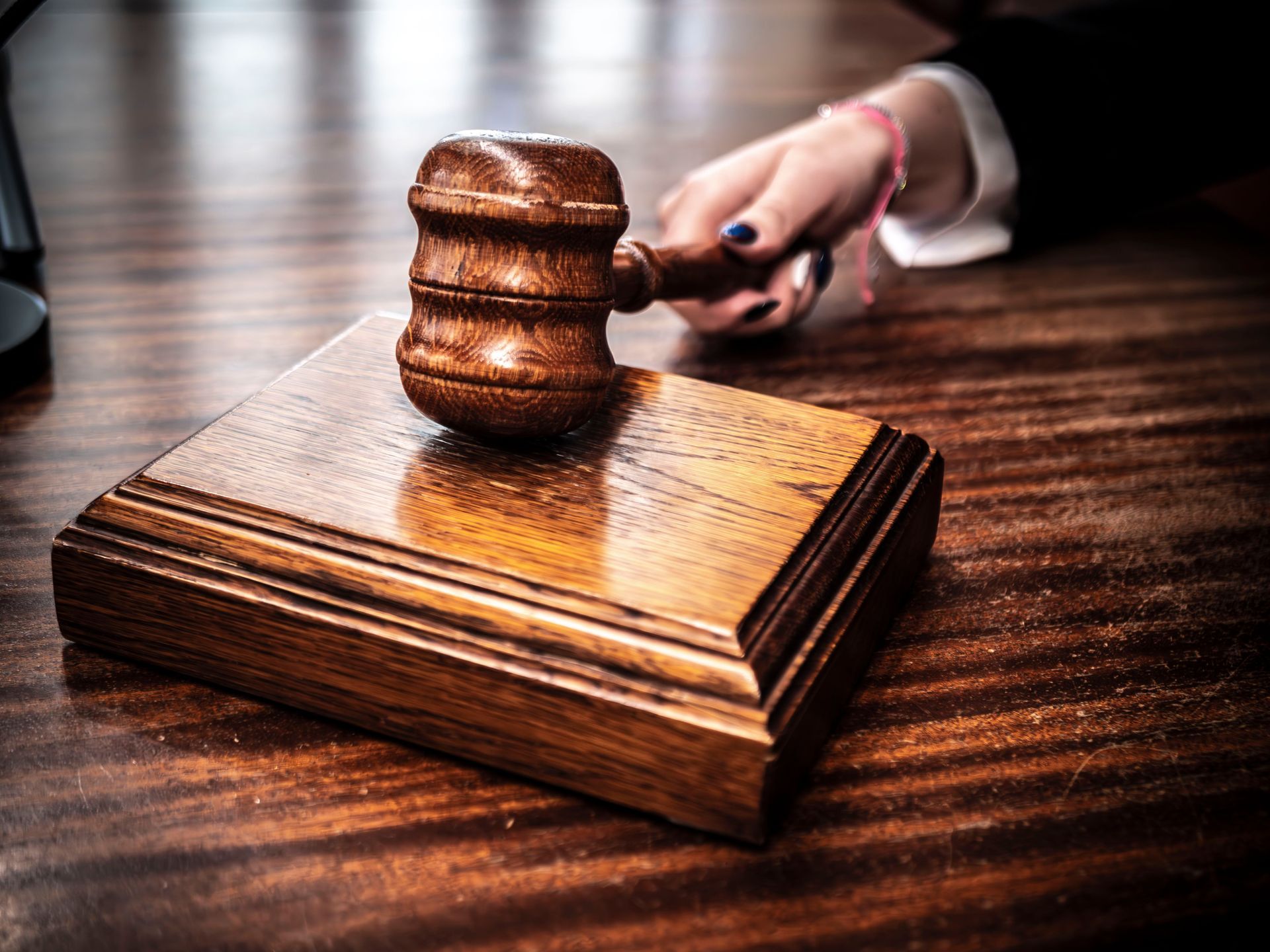
What Trial Preparation Involves Before Court Proceedings Begin
Cases that proceed to trial require identifying weaknesses in the opposing party's evidence, preparing witnesses to testify credibly under cross-examination, and developing a theory of the case that explains the evidence in a way that supports your position. Pretrial preparation includes drafting and arguing motions to exclude unreliable evidence, conducting depositions to lock in witness testimony, and reviewing discovery materials for inconsistencies that can be exploited during trial. Local insight regarding court procedures throughout regional West Virginia courts allows for strategic decisions that account for judicial preferences, local rules, and how specific judges handle evidentiary disputes.
During trial, courtroom advocacy involves presenting your case clearly and challenging the credibility of opposing witnesses through cross-examination that highlights contradictions, biases, and gaps in their testimony. Evidence must be introduced in a manner that complies with rules of procedure and evidence, and objections must be raised when the opposing party attempts to present inadmissible or prejudicial material. Closing arguments tie together the evidence presented and explain why the facts support a verdict in your favor under the applicable legal standard.
Trial representation also includes advising clients on courtroom demeanor, how to respond to questions if they choose to testify, and what to expect during jury deliberations or judicial decision-making. The outcome depends on the quality of preparation, the strength of the evidence, and the effectiveness of courtroom advocacy in persuading the decision-maker.
Trial Representation Questions Clients Ask
Individuals involved in contested legal disputes often have questions about how trials proceed in West Virginia courts and what factors influence jury verdicts or judicial rulings.
How does jury selection affect trial outcomes in Kanawha County?
Jury selection involves questioning potential jurors to identify biases and select individuals who can fairly evaluate the evidence, with strategic decisions about which jurors to excuse based on their backgrounds, attitudes, and responses to questioning.
What is the difference between a bench trial and a jury trial?
A bench trial is decided by a judge who evaluates the evidence and applies the law, while a jury trial involves twelve citizens who determine disputed facts and render a verdict based on instructions provided by the judge regarding the applicable legal standards.
How long does a trial typically last?
Trial duration depends on the complexity of the case, the number of witnesses, and the amount of evidence presented, with most trials in West Virginia lasting anywhere from one day to several weeks depending on the nature of the dispute and the issues being litigated.
What happens if the verdict is unfavorable?
Post-trial options include filing motions for a new trial based on legal errors that occurred during proceedings, or appealing the verdict to a higher court if there are grounds to argue that the trial court misapplied the law or made reversible procedural errors.
What types of cases require trial representation in Charleston?
Criminal prosecutions, family law disputes involving contested custody or property division, and personal injury claims where liability or damages are disputed all may require trial representation when parties cannot reach acceptable settlements through negotiation or mediation.
John J. Balenovich Law Offices, LC represents clients in contested trials throughout West Virginia courts. Schedule a consultation to discuss your case and determine whether trial representation is necessary to protect your interests and achieve a favorable resolution.